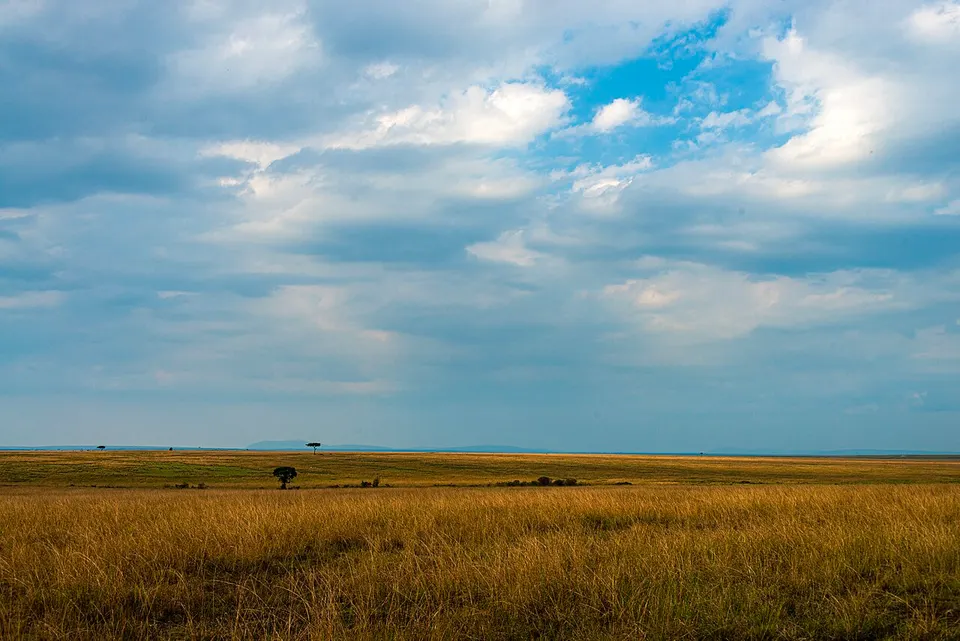
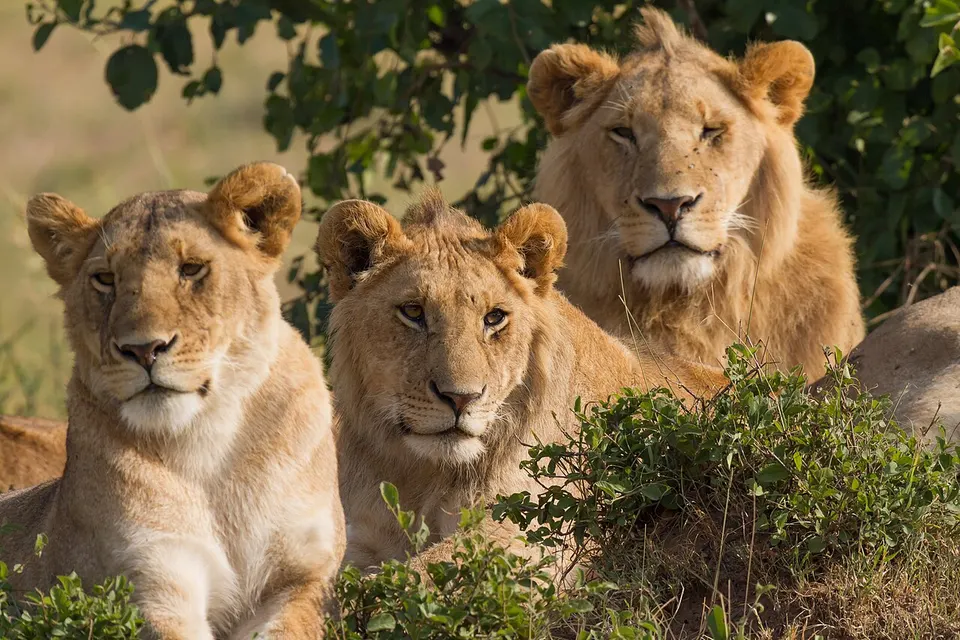
What you will experience
Kenya–Tanzania Wildlife Journey: cross-border private safari, with each transfer, overnight stage and activity shaped around your party.
Custom travel · Kenya / Tanzania
Kenya–Tanzania Wildlife Journey: cross-border private safari, with each transfer, overnight stage and activity shaped around your party.
A starting point for your trip. Providers, services and availability are confirmed in a tailored proposal.
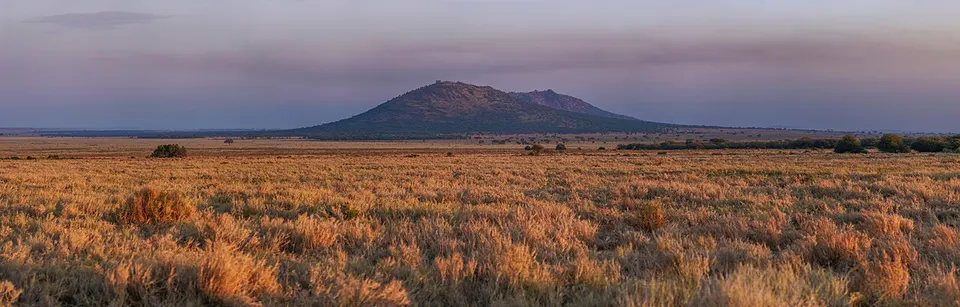
This snapshot describes the example below. Dates, destinations, length and service arrangements can be adapted.
Kenya–Tanzania Wildlife Journey: cross-border private safari, with each transfer, overnight stage and activity shaped around your party.
Travellers interested in large-scale wildlife movement, landscapes and patient observation. Choose a trip that remains worthwhile without a particular river event.
A short trip focused only on a crossing can be disappointing. A settled wildlife stay with broader interests may serve you better than an ambitious attempt to follow herds across a border.
Rainfall and grazing shape the migration through the Mara–Serengeti ecosystem. A southern-ecosystem or calving interest and a northern-river interest call for different bases, but neither has a guaranteed date. A Kenya–Tanzania combination needs formal border and transport arrangements; proximity on a wildlife map is not a direct park-to-park connection.
The meeting point, driver identification, local contact and response to a delayed arrival belong in your confirmed travel instructions.
Arrive through Jomo Kenyatta International Airport, Nairobi and meet the confirmed airport driver for the first stay in Nairobi. The example then follows Nairobi → Maasai Mara → Connection day → Serengeti → Ngorongoro area → Departure. Each road, air or cross-border connection needs an agreed provider, pickup point and luggage plan; the daily stages below distinguish transfer days from time at each base.
Road safari vehicle; fly-in alternative subject to a checked connection. Request the appropriate wildlife guide and, if needed, a separately confirmed photography specialist. Check language, seating, window or roof access and any beanbag or support provision.
Follow the example’s final stages through Arusha area. The last stay, any transit night and the airport pickup must align with the confirmed departure. This route does not assume a return to the original arrival airport.
An indicative travel sequence, not a confirmed transport booking or a mapped driving route.
Follow the route from left to right on larger screens and top to bottom on mobile. Each change of provider needs a named contact and a confirmed pickup. The detailed example below shows where transfer days and overnight stays sit.
Location overview
Load an interactive OpenStreetMap overview. This contacts OpenStreetMap; the map shows location, not a confirmed driving route.
Open larger mapThis itinerary is an example and can be customized. It is not a fixed departure or a minimum duration. Extend it when the actual flight, road or activity arrangements need more time.
Jomo Kenyatta International Airport, Nairobi → Nairobi
Meet the confirmed arrival driver using the supplied meeting instructions. Settle in, review the next transfer and leave the remainder of the day light after international travel.
Nairobi → Maasai Mara
Explore the selected Mara base with time for wildlife beyond the migration theme. Settle into the new base and meet the local team. Only add an arrival-day outing if the transfer and provider allow enough time.
Maasai Mara → Maasai Mara
Use an agreed morning wildlife drive and a lodge break before considering an afternoon outing. A packed meal is needed only if a longer day has been arranged.
Maasai Mara → Maasai Mara
Revisit a permitted area for behaviour, birds and changing light. Optional balloon or cultural activities require separate confirmation.
Maasai Mara → confirmed Tanzania transit / onward safari base
Use the agreed border and transport arrangements; do not assume a direct park-to-park shortcut. Keep this as a travel day, agree luggage handling and leave additional time or a transit night if the confirmed connection requires it.
confirmed Tanzania transit / onward safari base → Serengeti
Choose the safari area around the season and current local advice. No crossing or herd location is promised. Settle into the new base and meet the local team. Only add an arrival-day outing if the transfer and provider allow enough time.
Serengeti → Serengeti
Explore the selected region with the driver-guide, allowing patient stops. Return to camp for meals or use the explicitly arranged packed-lunch plan.
Serengeti → Serengeti
Revisit the landscape for different light and behaviour. Herd locations and crossings cannot be scheduled; keep the wider wildlife experience at the centre.
Serengeti → Serengeti
Explore the selected region with the driver-guide, allowing patient stops. Return to camp for meals or use the explicitly arranged packed-lunch plan.
Serengeti → Ngorongoro area
Add a contrasting highland and crater chapter with activities specified in the final plan. Settle into the new base and meet the local team. Only add an arrival-day outing if the transfer and provider allow enough time.
Ngorongoro area → Ngorongoro area
Request a permitted crater or highland activity with access and fees itemised. Return to the selected highland stay; a particular departure or wildlife encounter is not promised.
Ngorongoro area stay → Kilimanjaro International Airport
Check out with luggage ready and follow the agreed departure time. Keep this day free of an activity that could compromise check-in or a flight connection.
Road safari vehicle; fly-in alternative subject to a checked connection. This is a wildlife-led concept, not a promise to follow the same herds across a border. Entry permissions and cross-border transport must be checked for every traveller. Ask which legs are private, which are shared and whether guiding changes.
Passenger space and luggage capacity must be checked together. Domestic and small-aircraft services can set different weight, dimension and bag-shape rules; soft-sided bags may be requested. Confirm the exact restrictions with the actual airline or operator before packing.
Keep the arrival driver, safari or activity guide, accommodation and departure transfer contacts accessible offline. If a connection changes, contact the named coordinator; do not assume the next provider has received an update.
Select the Serengeti area and camp around the travel period, access and current local advice. A camp name without its location is not enough, and a mobile-camp concept does not confirm where it will operate. This combined example also needs separately checked stays for Nairobi, Maasai Mara, Serengeti, Ngorongoro area.
Choose according to budget, destination, group size, availability and preferences. Verify bathrooms, hot water, electricity, charging, Wi-Fi, mosquito-net provision where relevant, fans or air conditioning, and room access. These are property-specific facilities.
A city or gateway stay can make the first and final connections more manageable. Ask about late arrivals, checkout, luggage storage and a room arrangement that works for children or companions with mobility needs.
Breakfast, lunch, dinner, packed meals and drinks are confirmed by stay and activity; no meal package is universal.
At a Mara base, discuss breakfast before or after the morning outing, a camp lunch or a packed lunch for a longer drive, and dinner back at the stay. Discuss early breakfast, packed meals for longer field sessions and a flexible dinner after the return. Food and water need to support the outing without encouraging unsafe haste between locations.
Ask where suitable drinking water is supplied at the stay, in the vehicle and during the activity, whether it is included and how you refill a bottle. Do not assume tap water or an unverified natural source is suitable to drink.
Provide vegetarian, vegan, allergy and any halal or kosher requirements during planning so each selected provider can assess them. Special preparation and avoidance of cross-contact require explicit confirmation. Discuss children’s meals and carry any agreed specialist supplies.
Request the appropriate wildlife guide and, if needed, a separately confirmed photography specialist. Check language, seating, window or roof access and any beanbag or support provision.
Before travel, obtain the agreed itinerary-support contact, driver or guide number, accommodation contact and local emergency information. Ask how concerns are handled outside the planned activity hours; no unconfirmed 24-hour service is implied.
The provider may change an activity for conditions or suitability. The quotation should explain alternatives, cancellations and any additional costs. Keep the travel insurer’s assistance details available and understand how to contact local emergency services.
Do not crowd wildlife, block paths or ask the guide to leave authorised routes for an angle. Secure equipment during travel and follow the vehicle instructions around sightings.
Safety depends on the destination, current conditions and following local guidance. Use confirmed pickups, follow vehicle and accommodation instructions, and ask the host about evening movements. Keep valuables discreet and do not walk unescorted where wildlife or local rules require an escort.
Review current official advice for the exact regions and your nationality, including transit points. Agree the support and emergency process with the confirmed providers. Ask your insurer about the actual activities, remote locations, medical assistance and evacuation terms; coverage must not be assumed.
Official destination travel advice (UK; also consult your own government) →Plan for early starts, dust, sun and prolonged vehicle time. Discuss physical comfort and any health needs before choosing long days rather than assuming enthusiasm replaces rest.
Consult a qualified travel-health professional before departure about vaccinations, destination-specific risks, insect protection, hydration, sun exposure and personal medication. Carry medication according to professional and transport guidance. Discuss motion sickness or altitude when relevant; this page does not prescribe treatment or state changing vaccine rules.
CDC destination health information →Tell the planner about vehicle boarding, stairs, uneven ground, walking distance, bathroom access or other practical needs. Providers must check suitable transport and accommodation individually. A seated activity or premium room is not automatically accessible. Use the enquiry for practical requirements rather than sending medical records.
Also carry the required travel documents and offline contact details. Confirm the operator’s final activity list and luggage rules before adding equipment. Check charging facilities and plug adapters for each stay; bring an appropriately permitted power bank if useful. Mobile signal and Wi-Fi may be limited in remote areas. Drones require separate current permissions and must not be assumed usable.
Kenya varies by altitude and region. Rain can affect road conditions; the coast is warmer and more humid than the central highlands. Compare dates for the actual wildlife area rather than treating the whole country as one climate. Popular holiday periods also affect accommodation choices.
Tell us which dates are fixed, how much flexibility you have and whether school holidays, a special occasion or a particular activity drives the decision. Compare real provider availability and the full route. Weather, sea conditions and wildlife movements are never guaranteed, and a broad high or low season does not establish the price of a particular stay.
Compare seasonal planning considerations →Your final quotation will confirm the exact inclusions, exclusions, providers, availability, payment schedule and cancellation terms. Nothing in the example is automatically reserved.
These are requests to discuss, not included services. Each addition needs enough time, a suitable provider, any required permission and a separate line in the quotation.
A custom route, suitable local partner requests, airport pickups, ground transport, accommodation, activity planning and appropriate extensions. Dietary, family and special-occasion needs can be passed to selected providers for assessment. Any flight, permit or specialist request needs separate confirmation.
International travel unless expressly agreed otherwise, passport and entry requirements, personal travel insurance, professional health advice, medication and personal spending. Review the proposed itinerary and terms, and supply accurate traveller and flight information through the appropriate booking process.
Check passport, visa or other entry permission, any required health or child-travel documents, activity permits and airline identification rules with the relevant authorities and carriers. Ask about local currency, card acceptance, cash needs, unpaid fees and gratuity customs for the actual stops. No universal payment rule or tip amount is assumed.
The sample route above is one option. A different destination needs its own transport, season and provider checks.
Plan the vehicle, guide and daily rhythm for wildlife outings, from the airport pickup through the final return.
Explore →12-day example · Northern safari + island stay. Adjustable route; request a quotation.
Explore →No. The 12-day itinerary is an adjustable example. The agreed quotation confirms the actual route, dates, services, availability and terms.
Travellers interested in large-scale wildlife movement, landscapes and patient observation. Choose a trip that remains worthwhile without a particular river event. A short trip focused only on a crossing can be disappointing. A settled wildlife stay with broader interests may serve you better than an ambitious attempt to follow herds across a border.
Arrive through Jomo Kenyatta International Airport, Nairobi and meet the confirmed airport driver for the first stay in Nairobi. The example then follows Nairobi → Maasai Mara → Connection day → Serengeti → Ngorongoro area → Departure. Each road, air or cross-border connection needs an agreed provider, pickup point and luggage plan; the daily stages below distinguish transfer days from time at each base. Follow the example’s final stages through Arusha area. The last stay, any transit night and the airport pickup must align with the confirmed departure. This route does not assume a return to the original arrival airport.
Discuss early breakfast, packed meals for longer field sessions and a flexible dinner after the return. Food and water need to support the outing without encouraging unsafe haste between locations. Share practical needs early so each provider can confirm what is possible; special arrangements are not guaranteed by the example.
Request the appropriate wildlife guide and, if needed, a separately confirmed photography specialist. Check language, seating, window or roof access and any beanbag or support provision.
Share preferred dates, flexibility, travellers, children’s ages where relevant, destinations, accommodation preferences and priorities. Obtain current entry and health guidance separately; do not send sensitive documents through this enquiry.
Build your safari around your dates, people and priorities.
Tell us how you want this journey to work. We will discuss the route and check suitable providers before you decide whether to proceed.
Prefer the central trip-planning page? →