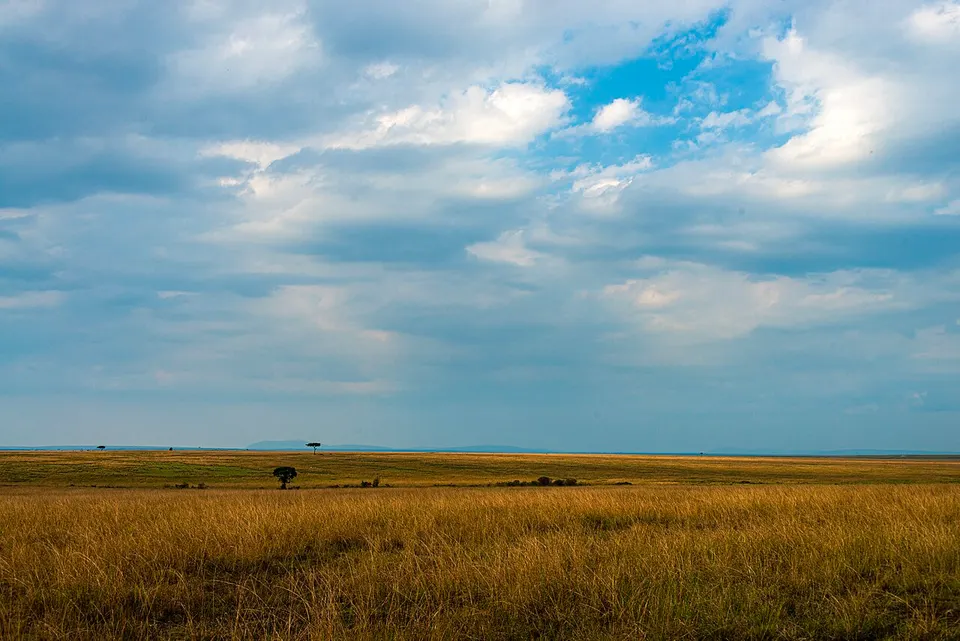
What is a game drive?
A game drive is a wildlife-viewing outing by vehicle, usually with a guide interpreting the landscape and animal behaviour. It is an activity within a safari, not a synonym for the whole holiday. Your experience depends on the area, the guide, the pace and the seating arrangement, as well as whatever wildlife happens to be present.
Game drives can suit first-time visitors, families and returning wildlife enthusiasts, but a long day in a vehicle does not suit everyone equally. Say whether you prefer short outings with time back at camp or patient observation over a longer period. A good brief includes what you would enjoy even if the most famous animal on your list is not found.
Choosing a destination and a base
Start with the existing destination guides, then compare particular wildlife areas rather than whole countries. A Kenya request might focus on the Mara; a Tanzania journey might consider the Serengeti. Use the Mara–Serengeti guide to understand why a base’s location and the transfer plan matter more than simply adding both names to an itinerary.
South Africa offers another context: SANParks lists guided drives at parks including Kruger and Addo. The official sources below describe examples, not a claim that every camp offers the same departure or that Duara has reserved seats. Confirm the activity from the particular base you are considering. An attractive lodge beyond a park boundary may involve additional access time before wildlife viewing begins.
Morning, afternoon and evening outings
Ask what the proposed daily rhythm actually looks like. A morning outing may require an early start, while an afternoon plan affects lunch, rest and the return to camp. Consider your enjoyment of those routines as well as photographic ambitions. Repeated early departures can be tiring after long international travel, especially if the itinerary also changes accommodation frequently.
Evening and night drives are not automatically permitted wherever daytime drives operate. SANParks describes distinct guided-drive products at Kruger, but those arrangements should not be generalised to every African park. Check the actual permissions, booking conditions and departure arrangements for your chosen area. The time of day can change the atmosphere; it cannot guarantee a predator encounter or a particular wildlife scene.
Private versus shared game drives
A shared outing brings a shared schedule and shared decisions about stops. Ask about the number of passengers, pickup arrangements and how seating works. If one person wants prolonged bird observation and another wants a general introduction, establish whether the same departure will make both happy. Joining a shared activity does not automatically mean joining a small group.
A private vehicle can give your party more influence over pacing within the rules and agreed operating hours. It does not buy exclusive access to public wildlife areas, freedom to drive off authorised routes or permission to crowd animals. Compare what the quote actually reserves: vehicle, guide and activities may be separate components. Our private guided safari guide explains that distinction.
Vehicles, seating and family considerations
Ask for the proposed vehicle layout, not just the label 4x4. Consider entry steps, sightlines, roof configuration, seat belts, luggage and how everyone will remain seated appropriately during travel. A vehicle that works for a road transfer may not offer the viewing arrangement you imagined. Our safari vehicle guide provides a more detailed specification checklist.
For families, supply the children’s ages before choosing a camp or activity. Providers may impose age or participation conditions, and these vary. Ask about child restraints, breaks, toilets, food and whether an outing can be shortened. A private arrangement can be worth discussing, but it does not override rules. Choose family safari planning around the least comfortable traveller rather than the most ambitious adult.
What to bring and how to photograph
Keep a small accessible day bag with the essentials agreed for the outing. Discuss layers for the conditions, sun protection, drinking water and protection for equipment from dust or rain. Ask what the operator supplies. Binoculars are useful for observation without insisting on a closer vehicle position, and they help companions enjoy a sighting while a photographer works.
Photographers should describe the volume of their equipment and the kind of subjects they hope to photograph. Check charging and storage arrangements at the accommodation, then practise handling the camera before the trip. A large lens does not justify occupying another guest’s seat or obstructing the guide. For a dedicated photographic brief, consider the existing photography safari collection rather than assuming every general drive is designed for that pace.
Seasons, expectations and responsible planning
Choose the travel period for the specific region and your interests. Ask how weather might affect access, vegetation and the practical organisation of outings. Do not translate a seasonal description into a guarantee of easy sightings. If you have fixed dates, select an appropriate base and allow repeated opportunities instead of expecting one drive to deliver an entire wildlife checklist.
Remain in the vehicle unless your guide identifies an authorised place and tells you otherwise. Keep noise low, do not feed wildlife and never pressure the driver to block an animal’s path. Include time to observe landscapes and smaller details between major sightings. A wildlife safari can be worthwhile without a complete species list; responsible decisions are part of that experience, not an obstacle to it.